

How Low Iron Can Mimic ADHD: The Focus Connection
Are you struggling to focus, feeling constantly “foggy,” or losing your motivation? While these are classic hallmarks of ADHD, there is a surprising medical overlap that many people overlook: Iron Deficiency. At iCare Pharmacy, we frequently see how a simple mineral deficiency can mimic complex neurological conditions.
The Science of Focus
Both ADHD and iron deficiency anemia affect your brain’s ability to produce dopamine—the brain’s primary “focus chemical.” Without enough iron, your brain literally struggles to produce this key neurotransmitter, leading to a mental “fog” that can feel indistinguishable from ADHD or even depression.

ADHD vs. Low Iron: Knowing the Difference
While the symptoms overlap, there are distinct differences to look for:
- ADHD Patterns:
- A lifelong, often genetic pattern of behavior.
- Significant issues with executive functions (like multitasking).
- Challenges with emotional regulation and impulsivity.
- Low Iron Physical Cues:
- Persistent physical lethargy.
- Visibly pale skin.
- Unusually cold hands or feet.
- A feeling of “heavy limbs.”
- The Overlap:
- Both conditions lead to irritability, poor concentration, and frequent memory lapses.

Why "Normal" Labs Might Be Misleading
A critical mistake many make is looking only for a “Normal” checkmark on blood work. If your levels are at the lower end of the “normal” range, it can still be enough to trigger ADHD-like symptoms. It is vital to look at your Ferritin levels specifically to see your body’s actual iron storage.
Pharmacist's Takeaway
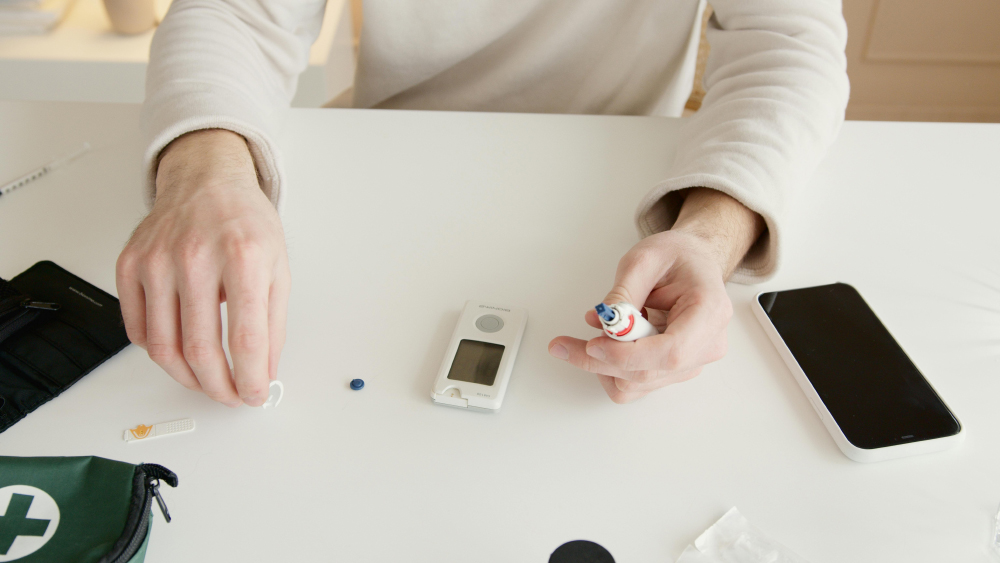
Don’t Guess—Test: If you are struggling with focus, ask your doctor or pharmacist for a lab test to check your Ferritin levels. Achieving optimal levels, rather than just the bare minimum, is often the key to clearing the fog.
Ready to regain your focus? Visit us at iCare Pharmacy to discuss your symptoms or to find the right bioavailable iron supplement for your needs.
References & Further Reading
- Beard, J. L. (2001). Iron biology in immune function, muscle metabolism and neuronal functioning. The Journal of Nutrition, 131(2), 568S-580S. [Explains the biological link between iron and dopamine production].
- Konofal, E., Lecendreux, M., Arnulf, I., & Mouren, M. C. (2004). Iron deficiency in children with attention-deficit/hyperactivity disorder. Archives of Pediatrics & Adolescent Medicine, 158(12), 1113-1115. [A landmark study showing 84% of ADHD subjects had low ferritin].
- Konofal, E., et al. (2008). Effects of iron supplementation on attention deficit hyperactivity disorder in children. Pediatric Neurology, 38(1), 20-26. [Clinical evidence that iron therapy can improve ADHD symptoms].
- Oner, O., et al. (2012). Effects of Ferritin Levels on Attention Deficit Hyperactivity Disorder Symptoms. Journal of Clinical Psychopharmacology. [Further confirming the correlation between iron stores and cognitive performance].
- Soppi, E. T. (2018). Iron deficiency without anemia – a clinical challenge. Clinical Case Reports, 6(6), 1082–1086. [Highlights why “normal” blood tests often miss iron deficiency that causes brain fog].
This information is for educational purposes and does not replace professional medical advice.