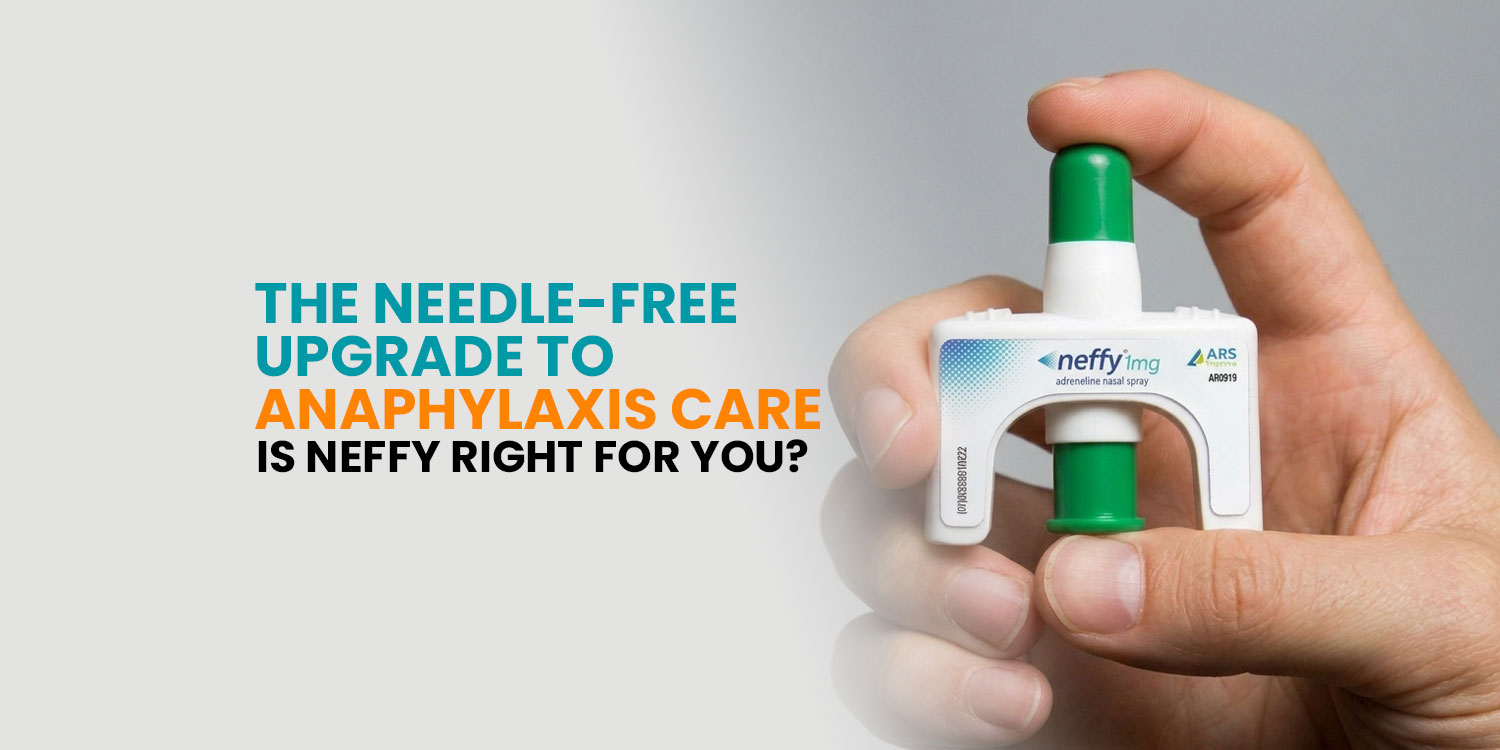

A Pharmacist Dad’s Guide: What Really Belongs in Your Kid’s School Bag
Between shopping for fresh notebooks, packing lunchboxes, and labeling sneakers, the back-to-school rush can feel relentless. But as both a licensed pharmacist and a dad, my mind always heads straight to one critical area: medication safety and classroom health prep.
Every September, pharmacies see a massive spike in refills for rescue inhalers, EpiPens, and daily school-time prescriptions. To help your family start the school year safely and without panic on day one, here is the essential medication checklist every parent should follow.
1. Emergency Rescue Meds: Fast Access Is Everything
If your child manages severe allergies (requiring an EpiPen) or asthma (using a Ventolin rescue inhaler), the golden rule is instant accessibility.
- Never Bury Rescue Meds: A common pitfall is tucking an EpiPen or reliever inhaler deep into an interior pocket of a backpack that ends up hung in a distant hallway locker or cubby. In an emergency, every second counts.
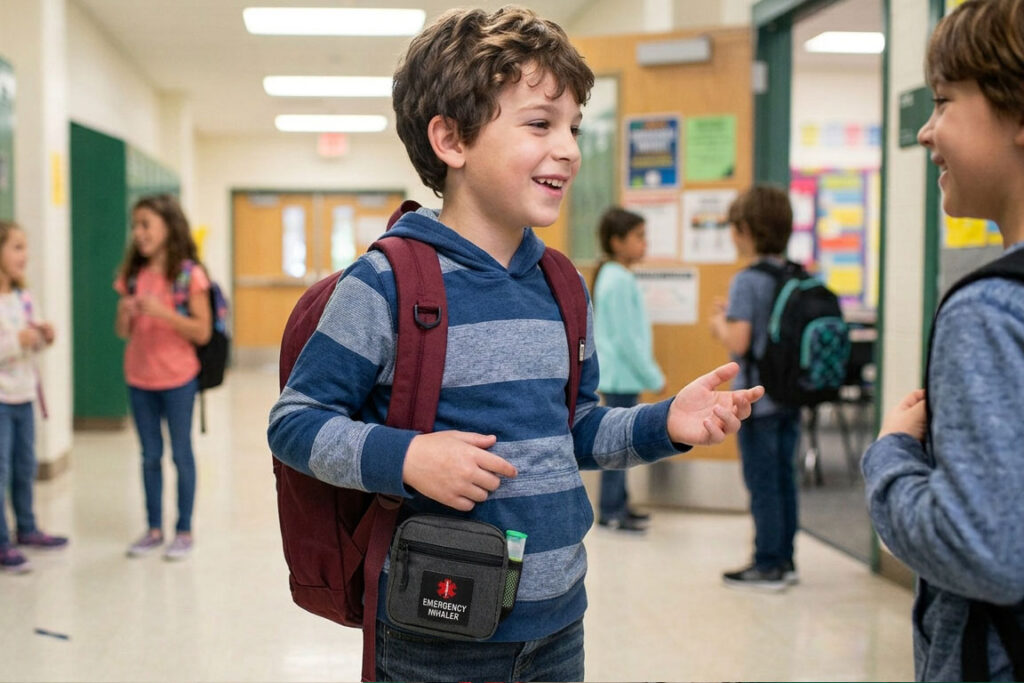
- School Placement Rules: Most elementary schools require emergency injectors to be either kept on the student in a dedicated waist pouch, held in an unlocked, labeled spot in the classroom, or kept with the designated first-aid staff.
- Submit the Action Plan Early: Never send emergency medication to school without a signed allergy or asthma action plan. School staff need direct, written instructions detailing your child’s specific triggers, symptoms, and exact administration steps.
2. Daily Maintenance Medications (ADHD & Long-Term Prescriptions)
Daily medications—such as ADHD treatments or scheduled midday doses—follow very different rules than rescue inhalers.
- Office Storage Requirements: School districts (including Edmonton Public Schools) strictly prohibit students from carrying daily scheduled medications in their pockets or backpacks. These must be delivered directly by a parent or guardian to the school office and stored securely in a locked cabinet.
- Get Written Authorization Signed Now: School staff cannot legally administer daily prescription drugs without official written medical authorization signed by both the parent and the prescribing physician. Don’t wait until the first morning bell rings to chase down paperwork.
Note for asthma parents: Maintenance steroid inhalers (like QVAR) should stay in your medicine cabinet at home. Because they are dosed morning and night, there is no need to add clutter or risk losing them in a classroom bag.

3. Home Medicine Cabinet Check & Fall Illness Prep
Once classrooms fill up, coughs, colds, and seasonal bugs spread fast. Taking fifteen minutes to audit your home supplies this week prevents stressful late-night pharmacy runs later in the month.
- Check Expiry Dates: Dig out your children’s liquid pain and fever relievers (such as Children’s Tylenol or Advil). Liquid suspensions degrade and lose potency over time; discard any bottle past its expiration date.
- Test Digital Thermometers: Make sure batteries work before a midnight fever hits.
- Mark October for Flu Shots: Influenza season generally begins ramping up in late fall. Plan ahead to get the entire family protected when community flu clinics roll out in October.

Let iCare Pharmacy Help You Get School-Ready
Navigating school medical forms, tracking dosage schedules, and keeping prescriptions current shouldn’t add stress to your back-to-school routine.
Whether you need an EpiPen refill, a signed prescription form review, or just want a pharmacist to double-check an expiration date on an old bottle, drop by iCare Pharmacy. We’re here to keep your family healthy, safe, and ready for an incredible school year ahead.